Hair Care Tips for Thinning Hair: 10 Habits to Change Today
Simple hair care tips for thinning hair from dermatology advice: how to wash, dry, brush and style without breakage, plus the habits that quietly damage hair.

Key takeaways
- Gentle daily habits won't regrow hair, but they stop breakage that makes thin hair look thinner.
- Shampoo the scalp, condition the ends, and blot hair dry instead of rubbing it.
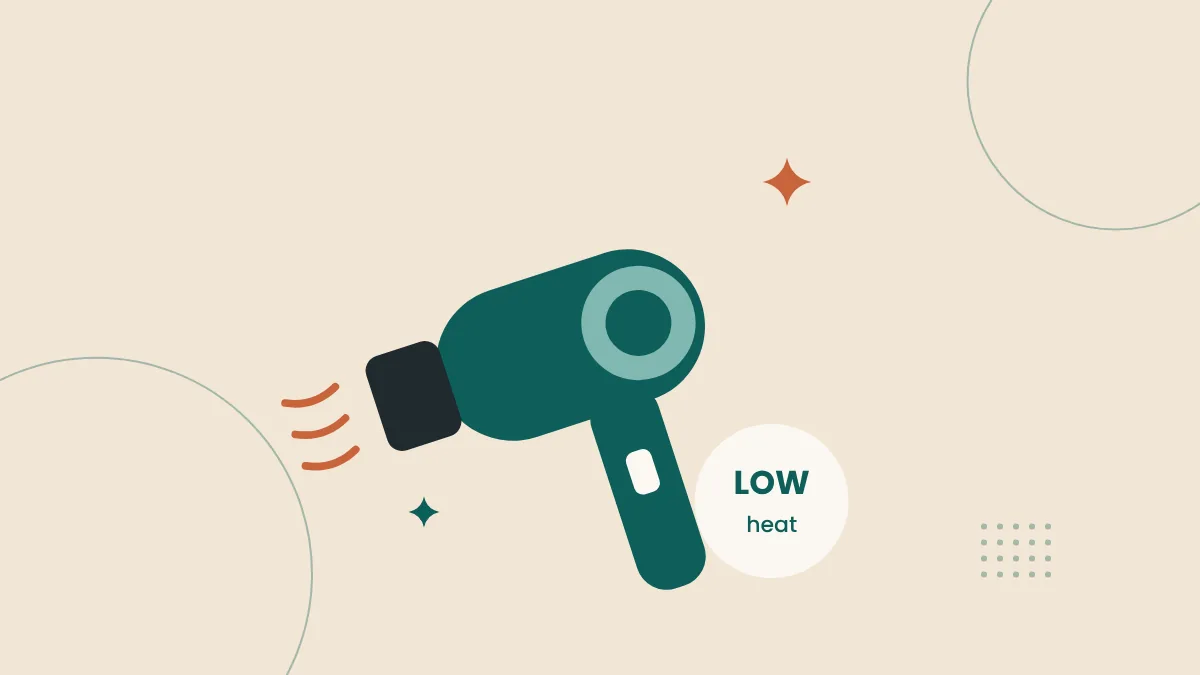
- Use the lowest heat setting and limit hot tools to about once a week where you can.
- Brush only to style; hair never needs 100 strokes a day.
- Space out coloring, perms and relaxers, and do one chemical service at a time.
In this article
The best hair care tips for thinning hair all come down to one idea: treat every strand gently so you don't lose hair to breakage on top of normal shedding. That means washing your scalp rather than your lengths, blotting instead of rubbing, using less heat, brushing less and pulling less. These habits are based on advice from the American Academy of Dermatology (AAD). They won't regrow hair, but they can make a visible difference to how full and healthy your hair looks.
Why gentle care matters when hair is thinning
Thinning hair often means finer strands as well as fewer of them. Fine hair snaps more easily, and broken pieces make hair look sparse and frizzy at the ends. Every bit of breakage you avoid keeps more length and density where you can see it. Gentle care also keeps your scalp comfortable and healthy, which is the base for the rest of your routine.
10 hair care tips for thinning hair
1. Shampoo your scalp, not your lengths
The AAD recommends gently massaging shampoo into your scalp and letting the lather rinse through the lengths as you wash it out. Scrubbing the full length of your hair roughens and dries it. Our step-by-step guide on how to wash thin hair covers the whole routine.
2. Condition after every wash
Conditioner smooths the hair surface and reduces friction and static. If your hair is fine, apply it to the ends only so your roots stay light and lifted.
3. Blot hair dry with a towel
Rubbing wet hair with a towel is one of the most common causes of breakage. Instead, the AAD suggests wrapping your hair in a towel to absorb the water, then letting it air-dry. A soft cotton T-shirt works well too.
4. Don't brush wet hair
Hair is at its weakest when it's wet. If your hair is straight, let it dry partly and then use a wide-tooth comb. If it's textured or tightly curled, comb it gently while damp with a wide-tooth comb, which the AAD says is the safer approach for curly hair.
5. Turn the heat down
Blow dryers, curling irons, hot combs and straighteners all weaken hair over time. Air-dry when you can, use the lowest heat setting that works, and use a heat protectant. The AAD suggests using hot tools about once a week, or even less often, and limiting how long a hot tool touches your hair.
6. Skip strong-hold products
Styling products with long-lasting, firm hold can make hair stiff and more likely to snap when you brush it out. Choose a style that doesn't need strong hold, or use light, flexible products such as mousse, texture spray or a little matte paste.
7. Wear your hair loosely
Tight ponytails, buns and braids pull on the roots, and over time this can cause traction alopecia. Wear hair loosely tied back, use covered hair ties, and change the position often. Our guide to hairstyles that cause hair loss explains the warning signs.
8. Space out color, perms and relaxers
Chemical services weaken the hair shaft. The AAD suggests stretching the time between touch-ups to every 8 to 10 weeks or longer, especially in dry winter weather, and having only one service at a time. If you want both, perm or relax first and color about two weeks later.
9. Brush only to style
The AAD calls the idea that hair needs 100 brush strokes a day a myth. Brush or comb just enough to style your hair, work out tangles gently from the ends upward, and never yank through knots.
10. Protect your hair from sun and pool water
Wear a wide-brimmed hat in strong sun, and a swim cap in chlorinated pools. After swimming, rinse your hair right away, then shampoo and condition it.
Everyday habits that help hair look fuller
- Get a cut that suits thin hair. Blunt ends and the right length make a big difference. See haircuts that make thin hair look thicker.
- Trim regularly. Removing split ends keeps the ends looking dense. (Trims don't change growth, as we explain in does cutting hair make it grow thicker?)
- Use a silk or satin pillowcase to reduce friction while you sleep.
- Eat a balanced diet with enough protein; very restrictive dieting can trigger extra shedding.
- Use cosmetic coverage on thin spots when you want it; see how to use hair fibers.
What hair care can't do
No shampoo, oil or serum sold for everyday hair care can reverse hereditary hair loss, whatever the label suggests. Gentle care protects the hair you have and helps it look its best. If your hair is thinning noticeably, you're shedding more than usual, or you have patches or scalp symptoms, a board-certified dermatologist can find the cause. Read how much hair loss is normal to know when it's time to book an appointment.
Frequently asked questions
What are the best hair care tips for thinning hair?
Shampoo your scalp rather than your lengths, condition the ends after every wash, blot hair dry instead of rubbing, avoid brushing wet hair, use low heat, and wear your hair loosely rather than in tight styles.
How often should I use heat on thinning hair?
As little as possible. The American Academy of Dermatology suggests using hot tools about once a week or less, on the lowest setting that works, and air-drying when you can.
Is it bad to brush thinning hair a lot?
Yes, extra brushing can cause breakage. Brush only to style your hair, using a wide-tooth comb and working out tangles gently from the ends. Hair never needs 100 strokes a day.
Should I towel dry thinning hair?
Don't rub it. Wrap your hair in a towel or soft T-shirt to absorb water, then let it air-dry. Rubbing roughens the hair and causes breakage.
Can hair care products regrow thinning hair?
Everyday hair care products can't reverse hereditary hair loss. They protect the hair you have and help it look fuller. See a dermatologist to find out what's causing the thinning.
Sources
Written by Shadush Sachiska
Shadush Sachiska is the founder and editor of 360 Hair Loss. Shadush researches every guide from dermatology sources and real-world styling advice to help readers with thinning hair look and feel their best. Shadush is not a doctor; health topics are written to help you have a better conversation with one.