Hairstyles That Cause Hair Loss (and How to Wear Them Safely)
Tight ponytails, braids, buns and extensions can cause traction alopecia. Learn which hairstyles cause hair loss, the warning signs and how to wear them safely.

Key takeaways
- Hairstyles that pull on the hair for a long time can cause traction alopecia.
- The biggest culprits are tight ponytails, buns, braids, cornrows, extensions and weaves.
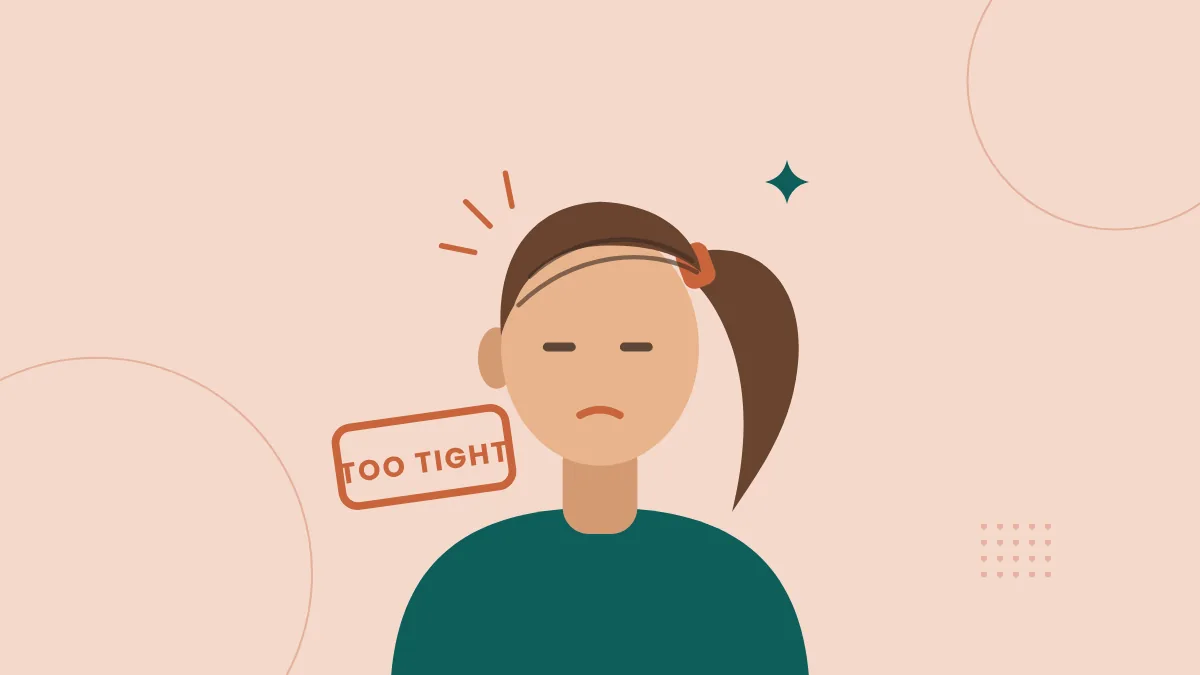
- Pain, stinging, scalp bumps or 'tenting' mean a style is too tight; loosen it right away.
- Caught early, traction hair loss can often grow back; left too long, it can become permanent.
- You don't have to give up your favorite styles: wear them looser, shorter and less often.
In this article
The hairstyles that cause hair loss are the ones that pull on your hair roots, day after day: tight ponytails, buns, braids, cornrows, locs, extensions and weaves. According to the American Academy of Dermatology (AAD), frequently wearing styles that pull can lead to a type of hair loss called traction alopecia. The good news is that it's preventable, and often reversible if you catch it early. Here's which styles carry the most risk, what the warning signs look like, and how to keep wearing the styles you love more safely.
What is traction alopecia?
Traction alopecia is hair loss caused by constant tension on the hair. When a hairstyle pulls on the same follicles for weeks or months, the follicles become inflamed and damaged. At first, hairs break or fall out and grow back once the pulling stops. If the tension continues for a long time, the follicle can scar and stop producing hair permanently.
It most often shows up along the hairline, temples and nape of the neck, because that's where styles pull hardest and the hair is finest. Anyone can develop it: women, men, children and athletes who wear their hair tied back.
Hairstyles that cause hair loss: the main culprits
| Hairstyle | Why it's risky | Safer way to wear it |
|---|---|---|
| Tight ponytails and high buns | Pull the hairline and temples in one direction | Wear them low and loose; change the position often |
| Tight braids and cornrows | Constant tension at each braid's base | Loosen at the hairline; choose thicker braids |
| Locs | Long, heavy locs add weight to the roots | Keep them thicker and shorter |
| Extensions and weaves | Extra weight and tight attachment points | Choose light pieces; wear them for short periods |
| Slicked-back styles | Hair pulled taut against the scalp every day | Leave some slack; alternate with loose styles |
| Rollers worn to bed | Hours of tension while you sleep | Use them for short periods while awake |
| Man buns and top knots | Pull the front hairline back tightly | Tie them lower and looser; give your hair rest days |
The AAD says wearing a tight style occasionally is fine. The risk comes from wearing it often, for long periods, and tightly.
Warning signs a hairstyle is too tight
The AAD lists signs that mean you should change your hairstyle right away:
- Pain or a headache from the tightness
- Stinging on the scalp
- Small bumps or crusts on the scalp
- Tenting: sections of scalp pulled up like a tent
Over time, look out for broken hairs around the forehead, a receding hairline at the temples, or patches of thinning where your hair is pulled. A quick monthly photo of your hairline in the same light makes slow changes much easier to spot.
How to wear your favorite hairstyles more safely
Ponytails and buns
- Tie them low and loose; you should be able to move your scalp freely.
- Use soft, covered hair ties or scrunchies, never bare rubber bands.
- Move the position from day to day so the same follicles aren't always under strain.
- Don't tie your hair up while it's wet, when it's weaker and stretches more.
Braids, cornrows and locs
- Ask your stylist to keep braids loose at the hairline, and speak up if anything hurts.
- Choose thicker braids and locs, and keep them shorter; long hair is heavier and pulls more.
- The AAD advises not leaving braids in for longer than 6 to 8 weeks.
Extensions and weaves
- Wear them for short periods, and remove them right away if they cause pain or irritation.
- The AAD suggests choosing sewn-in weaves over glued ones, and making sure the cornrows underneath aren't tight.
- Pick lightweight pieces and have them fitted at a salon that specializes in them.
Under hats, scarves and head coverings
Pull your hair back loosely underneath, and choose silk or satin linings, which are gentler on hair. A hat on its own is rarely a problem; read does wearing a hat cause hair loss for the full picture.
Give your hair regular breaks
One of the most effective habits is simply rotating styles. Alternate tight styles with loose ones, and when you can, give your hair a few weeks off completely: wear it down, in a loose braid, or under a wig or scarf. If your hairline already looks thin, a different cut can make it far less noticeable while it recovers; see hairstyles for women with thinning hair on top and haircuts for a receding hairline.
Can hair lost from tight hairstyles grow back?
Often, yes, if you stop the pulling early. In the early stages, the follicles are still alive and hair usually regrows once the tension is gone. If tight styling continues for years, the follicles can scar. The AAD notes that at this late stage, where the skin looks smooth and shiny, the hair can't grow back. That's why it's worth acting on early signs rather than waiting.
When to see a dermatologist
See a board-certified dermatologist if you notice thinning along your hairline or in patches, if your scalp is sore or bumpy, or if loosening your styles hasn't helped after a few months. A dermatologist can confirm whether it's traction alopecia or another type of hair loss and explain your options. Not sure whether your shedding is normal? Read how much hair loss is normal.
Frequently asked questions
What hairstyles cause hair loss?
Hairstyles that pull on the hair for long periods can cause hair loss, especially tight ponytails, buns, braids, cornrows, locs, extensions and weaves. This type of hair loss is called traction alopecia.
Can a ponytail cause hair loss?
A tight ponytail worn often can. Constant pulling on the hairline and temples can damage follicles over time. Wearing ponytails low, loose and in different positions lowers the risk.
What are the first signs of traction alopecia?
Early signs include pain or stinging from a tight style, small bumps on the scalp, broken hairs around the forehead, and thinning at the temples or along the hairline.
Does hair grow back after traction alopecia?
Often, yes, if the pulling stops early while the follicles are still healthy. If tight styling continues for years, follicles can scar and the hair loss can become permanent.
How long can I keep braids in without damaging my hair?
The American Academy of Dermatology advises not wearing braids for longer than 6 to 8 weeks, and keeping them loose at the hairline.
Sources
Health information in this article is based on the cited dermatology sources and is not a substitute for advice from a doctor. How we research.
Written by Shadush Sachiska
Shadush Sachiska is the founder and editor of 360 Hair Loss. Shadush researches every guide from dermatology sources and real-world styling advice to help readers with thinning hair look and feel their best. Shadush is not a doctor; health topics are written to help you have a better conversation with one.