Does Sleeping With Wet Hair Cause Hair Loss? What Dermatologists Say
Does sleeping with wet hair cause hair loss? No, but it can cause breakage and scalp problems. Here's what dermatologists say, plus a simple night routine.

Key takeaways
- Sleeping with wet hair doesn't cause true hair loss from the root.
- Wet hair is weaker and stretches more, so tossing and turning can snap it, which looks like extra hair loss.
- A scalp that stays damp for hours can encourage fungus and bacteria, which may lead to dandruff or irritation.
- Letting hair dry at least partly, blotting it gently and using a silk or satin pillowcase reduces breakage.
- Hair on your pillow is usually a mix of normal shedding and breakage; check for the white bulb to tell them apart.
In this article
- What happens when you sleep with wet hair?
- Does sleeping with wet hair cause hair loss or just breakage?
- Can sleeping with wet hair cause scalp problems?
- Who should be most careful?
- A simple night routine if you wash your hair in the evening
- What to avoid with wet hair at night
- When to see a dermatologist
- FAQ
Does sleeping with wet hair cause hair loss? No, not in the sense of hair falling out from the root. But it can cause breakage, which leaves more broken hairs on your pillow and can make hair look thinner over time. A University of Utah Health dermatologist explains that wet hair is more fragile and breaks more easily than dry hair, and that a scalp left damp for long periods can encourage fungus or bacteria.
Here's what really happens overnight, how to tell breakage from hair loss, and a simple night routine for wet hair.
What happens when you sleep with wet hair?
Hair absorbs water and swells when it's wet. That makes each strand stretchier and weaker than it is when dry. When you sleep on wet hair:
- Friction from your pillow rubs the weakened strands as you move.
- Tangles form more easily, and pulling them out in the morning snaps more hairs.
- A damp, warm scalp under your head for hours creates conditions where yeast and bacteria can grow.
None of this damages the follicle, which is what produces hair. That's why it isn't true hair loss.
Does sleeping with wet hair cause hair loss or just breakage?
| Breakage | Shed hair | |
|---|---|---|
| What it looks like | Short pieces of different lengths | Full-length hairs |
| The end of the hair | Blunt or frayed, no bulb | A small white bulb at the root end |
| Cause | Friction, tangles, heat, rough handling | The normal hair growth cycle |
| Does it grow back? | The hair keeps growing from the root | A new hair grows from the same follicle |
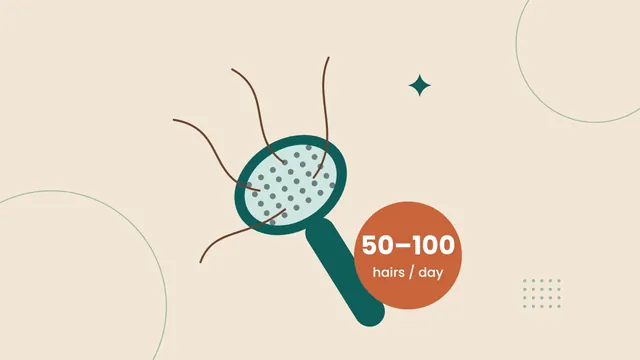
Some shed hairs on your pillow are completely normal: the American Academy of Dermatology says losing 50 to 100 hairs a day is normal. Our guide on how much hair loss is normal explains when shedding is worth a closer look.
Can sleeping with wet hair cause scalp problems?
It can. When the scalp stays damp for hours, it's easier for yeast and bacteria to grow. That may contribute to dandruff, itching or a type of scalp irritation called seborrheic dermatitis in people who are prone to it. Doing it occasionally is unlikely to cause problems, but every night can add up.
See a dermatologist if your scalp becomes itchy, red, flaky or sore, especially if it doesn't settle after you change your routine.
Who should be most careful?
- People with thin or fine hair, because each broken strand is more noticeable.
- People with color-treated, bleached or permed hair, which is already weaker.
- People with long hair, which tangles more overnight.
- Anyone prone to dandruff or an itchy scalp.
A simple night routine if you wash your hair in the evening
- Wash earlier if you can, so your hair has time to air-dry before bed.
- Blot, don't rub. Press water out with a microfiber towel or a soft T-shirt.
- Detangle gently with a wide-tooth comb while your hair is damp, starting at the ends.
- Dry your scalp, even if the lengths stay slightly damp. A blow-dryer on a cool or low setting for a few minutes is enough.
- Use a silk or satin pillowcase to reduce friction overnight.
- Wear a loose braid or a soft scrunchie on longer hair to stop tangles. Avoid tight elastics; they pull on wet hair, which stretches more easily.
For your full washing routine, see how to wash thin hair, and for daily habits that reduce breakage, read our hair care tips for thinning hair.
What to avoid with wet hair at night
- Going to bed with soaking wet hair.
- Tying wet hair up in a tight bun or ponytail. See hairstyles that cause hair loss.
- Brushing tangles out roughly in the morning.
- Using heavy oils on the scalp at night if you're prone to dandruff.
When to see a dermatologist
If you're losing more hair than usual for more than a few months, notice patches or a widening part, or your scalp stays itchy or flaky, see a board-certified dermatologist. These point to something more than breakage from your bedtime routine.
Frequently asked questions
Does sleeping with wet hair cause hair loss?
No. It doesn't make hair fall out from the root. It can cause breakage, because wet hair is weaker and friction from your pillow snaps it more easily, which can look like extra hair loss.
Is it bad to sleep with wet hair every night?
Doing it often can lead to more breakage and tangles, and a scalp that stays damp for hours can encourage dandruff or irritation. Letting your scalp dry first helps.
Can sleeping with wet hair cause dandruff?
It can contribute. A warm, damp scalp makes it easier for yeast and bacteria to grow, which may lead to dandruff or scalp irritation in people who are prone to it.
How do I tell if hair on my pillow is breakage or hair loss?
Look at the end of the hair. Shed hairs are full length with a small white bulb at the root end. Broken hairs are shorter pieces with blunt or frayed ends and no bulb.
What is the best way to sleep with wet hair?
Blot it gently, detangle with a wide-tooth comb, dry your scalp, and sleep on a silk or satin pillowcase. Avoid tight hair ties on wet hair.
Sources
Health information in this article is based on the cited dermatology sources and is not a substitute for advice from a doctor. How we research.

Written by Shadush Sachiska
Shadush Sachiska is the founder and editor of 360 Hair Loss. Shadush researches every guide from dermatology sources and real-world styling advice to help readers with thinning hair look and feel their best. Shadush is not a doctor; health topics are written to help you have a better conversation with one.