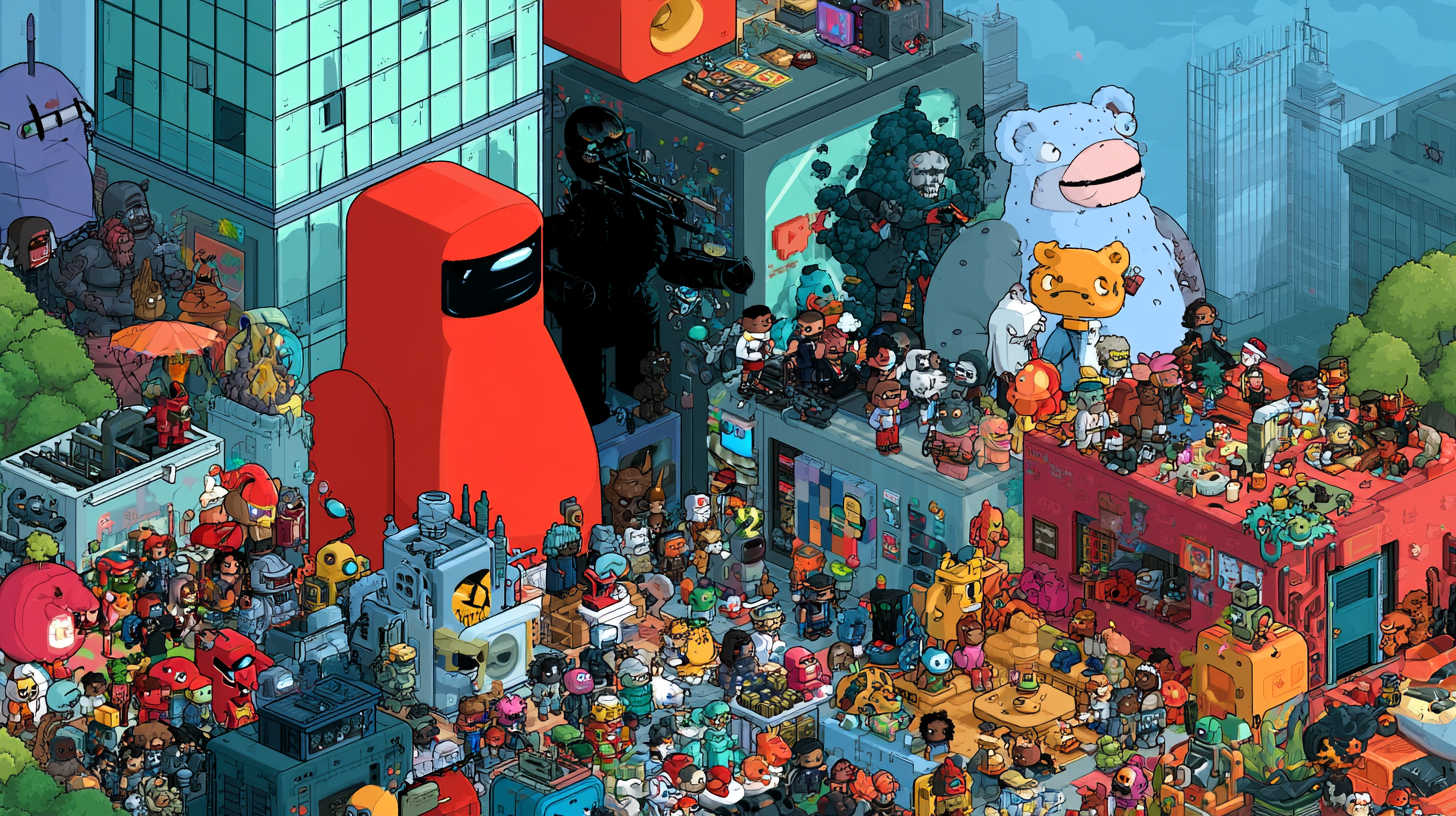
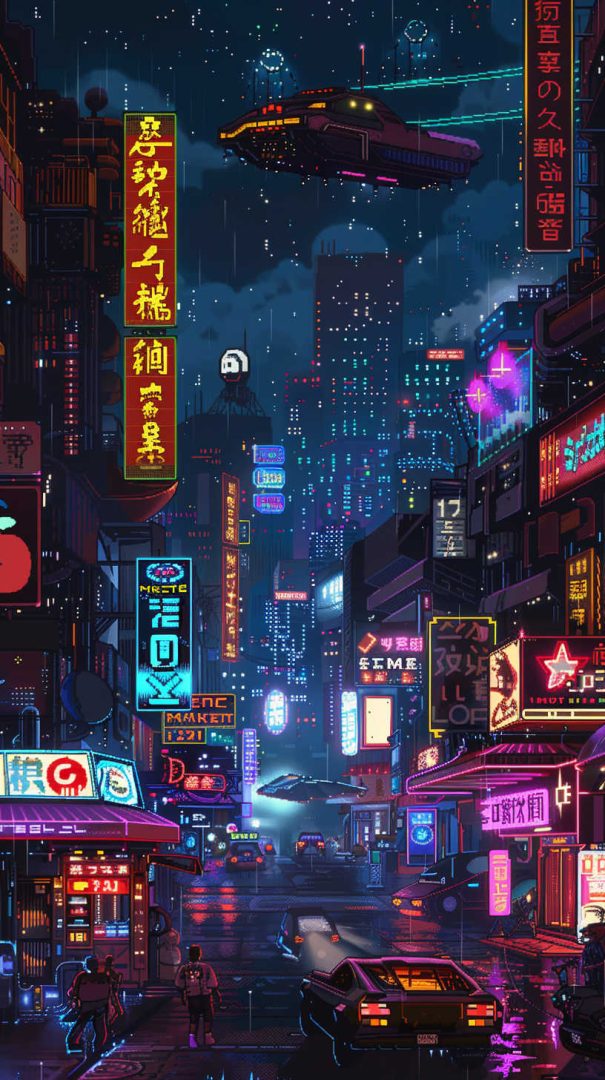
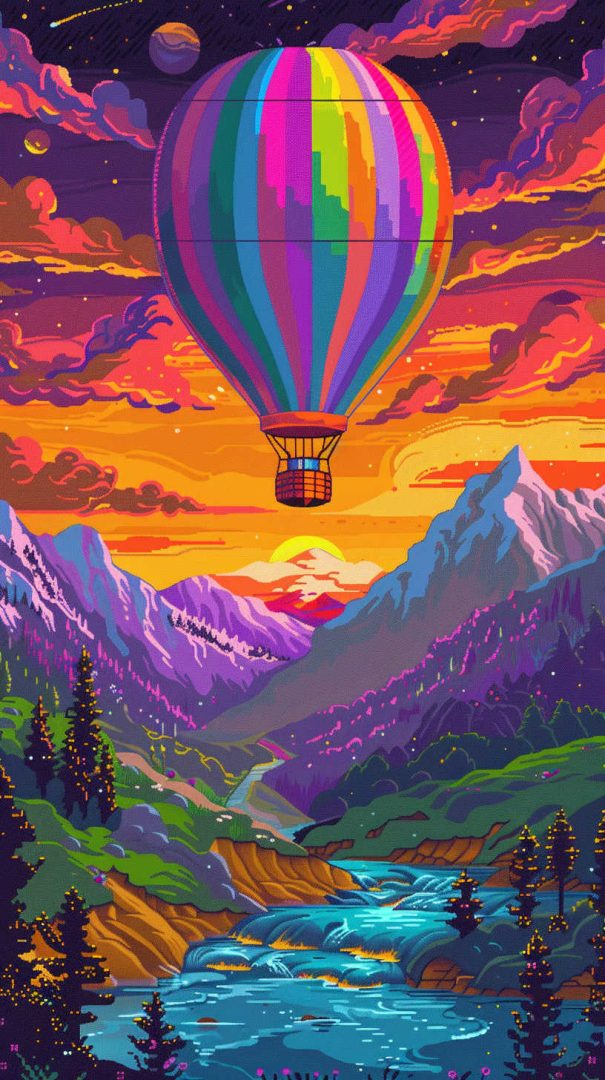
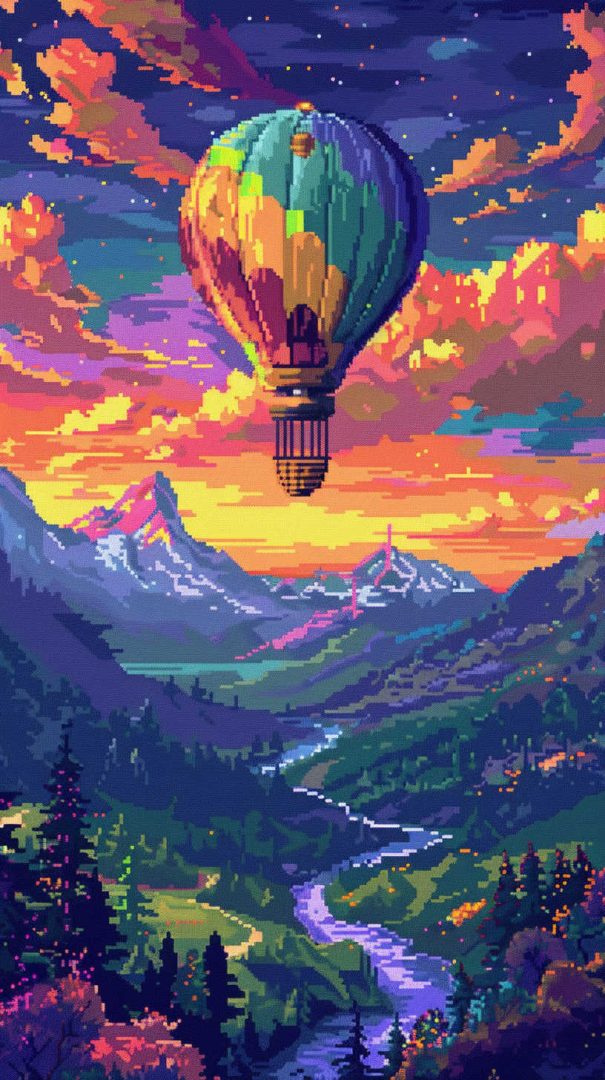
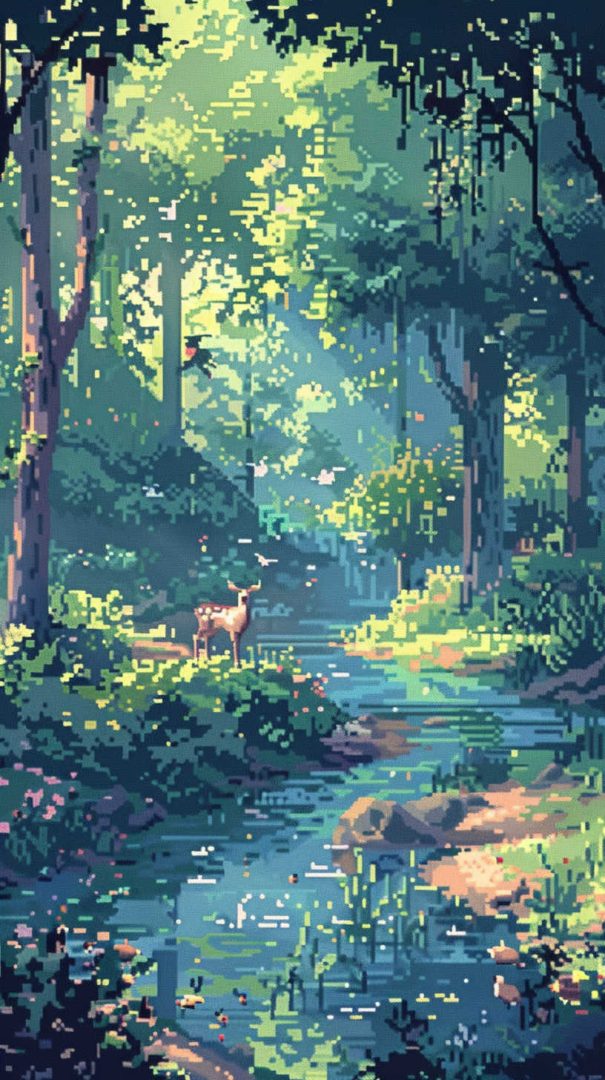
Pixel art has quietly become one of the most recognizable visual languages of the digital age. What started as a technical limitation of early video game consoles — small blocks of color forming characters, landscapes, and icons — has turned into a full-blown art movement. Today, that same blocky, nostalgic style is colliding with one of the biggest trends in digital culture: NFTs. The result is a wave of NFT pixel art wallpapers that people are downloading for free to personalize their mobile phones. If you’ve been wondering why this niche is exploding and how you can get in on it, this guide breaks it all down.
Why Pixel Art and NFTs Make Such a Good Match
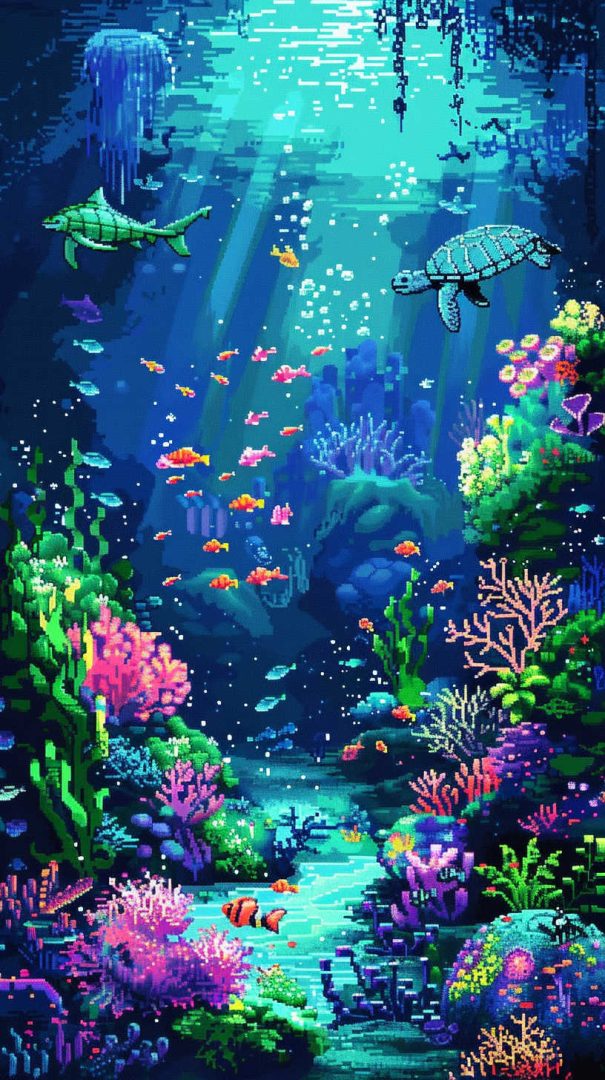
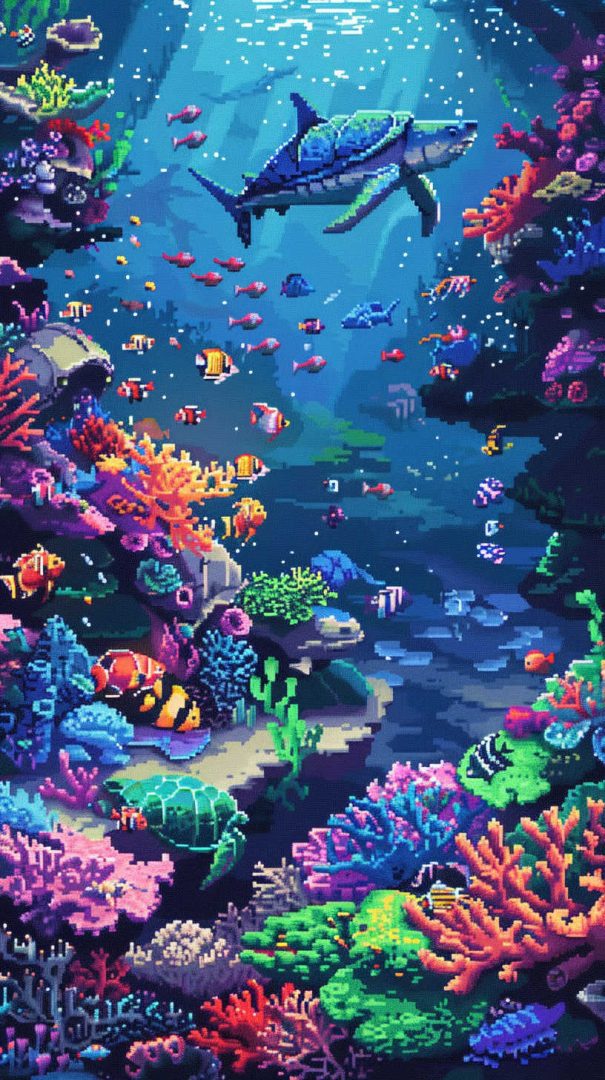
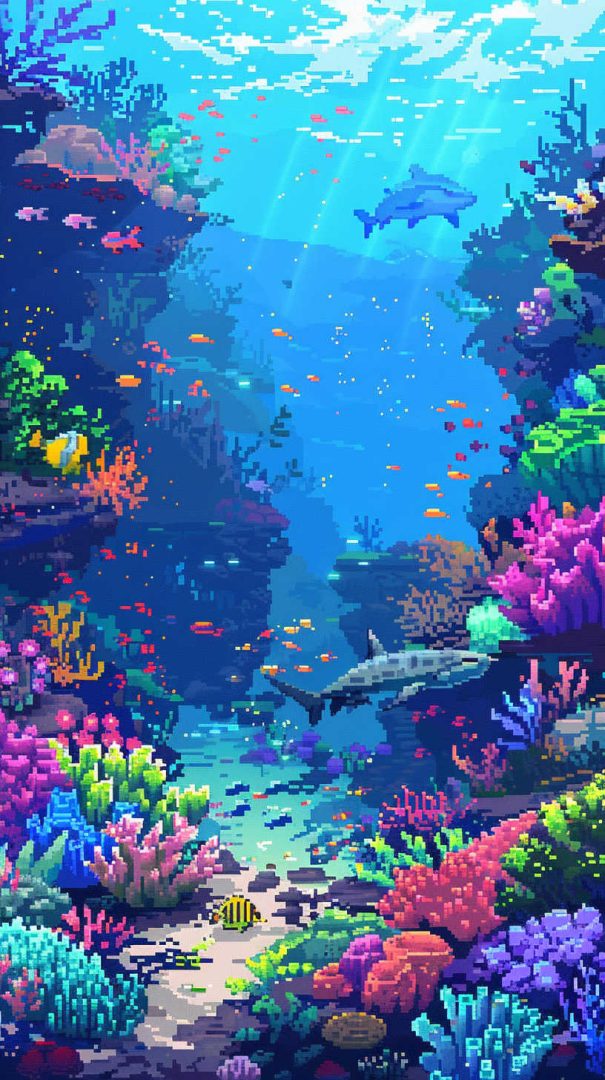
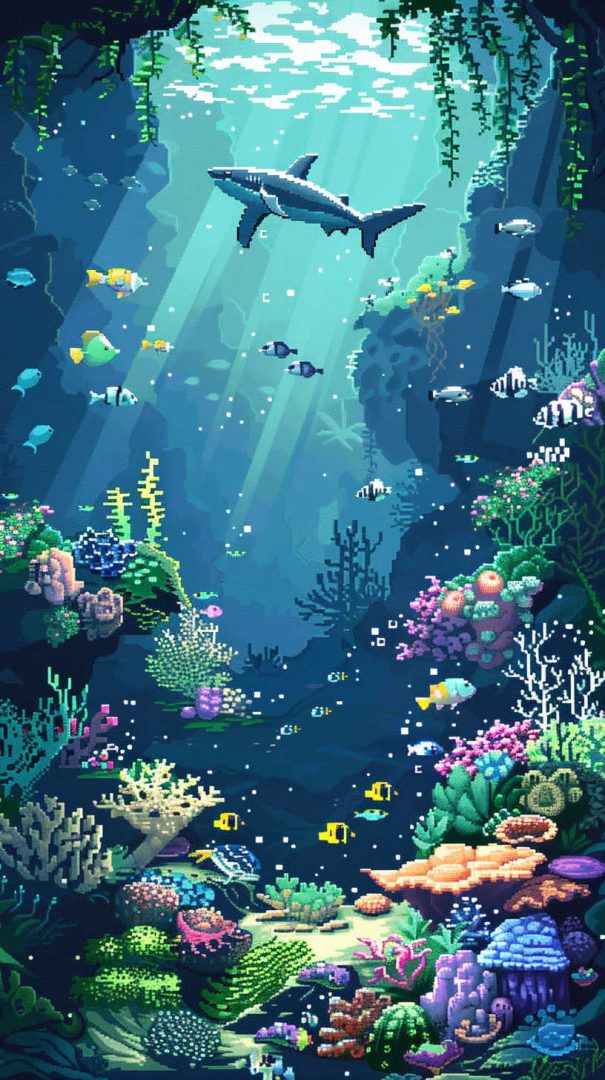
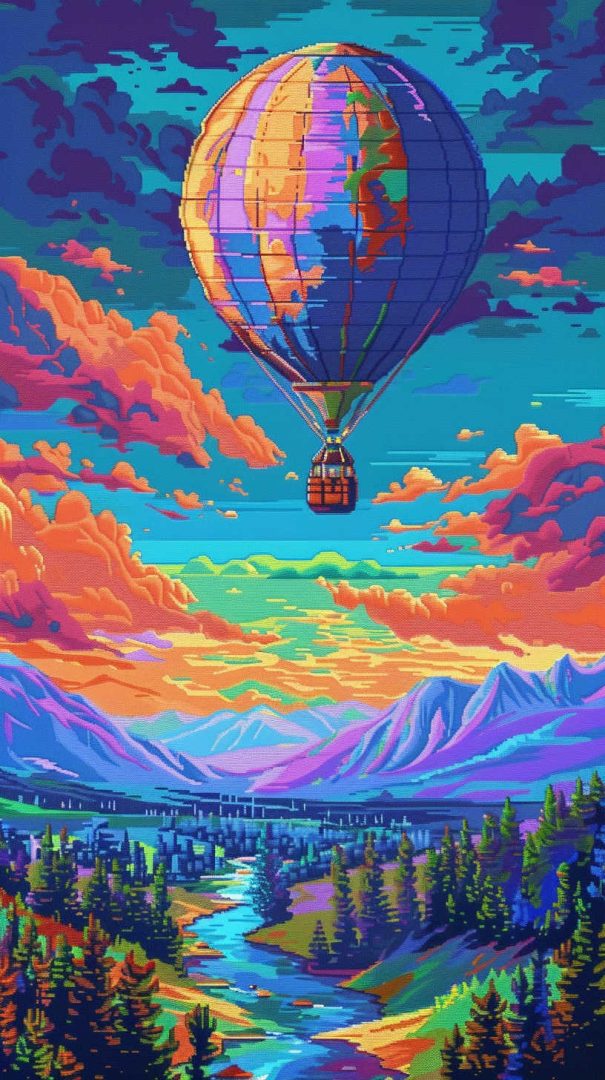
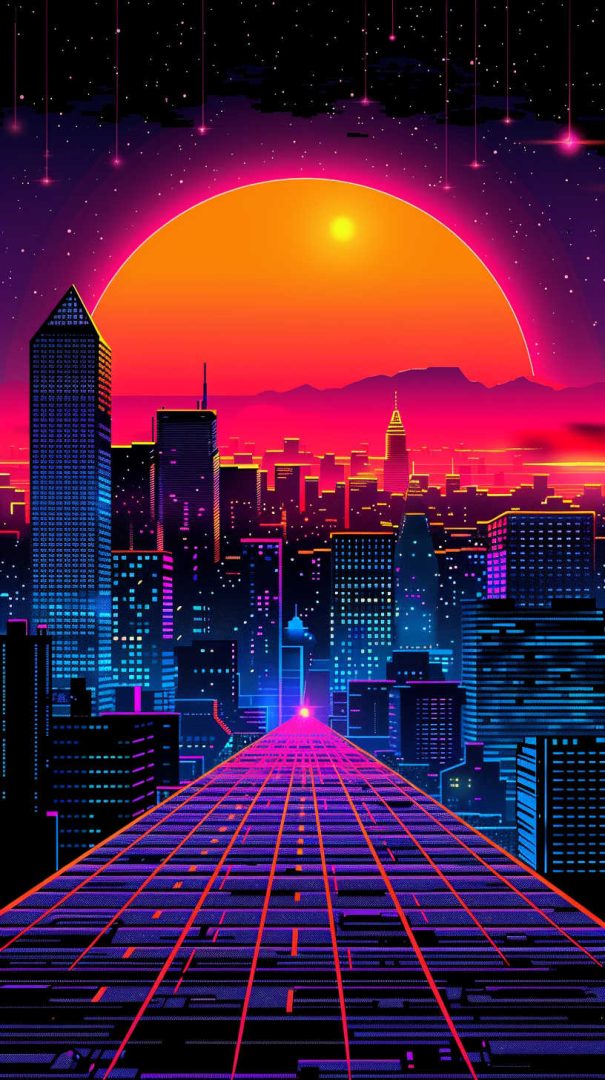
Pixel art and NFTs share something important in common: both are built around the idea of authenticity through structure. Pixel art is defined by a fixed grid — every square matters, every color choice is deliberate. NFTs are defined by a fixed record — every token has a verifiable origin and ownership history. When you put the two together, you get artwork that feels collectible in two ways at once: visually (because pixel art has that instantly identifiable retro charm) and digitally (because it’s tied to a unique, traceable asset).
This is a big part of why pixel art collections have become some of the most iconic examples in the NFT space. The style is simple enough to be instantly recognizable on a small screen, yet detailed enough to feel like genuine art rather than a random image. That combination makes pixel art uniquely suited for something we all interact with dozens of times a day: our phone’s lock screen and home screen.
Why Wallpapers Are the Perfect Format for This Art Style
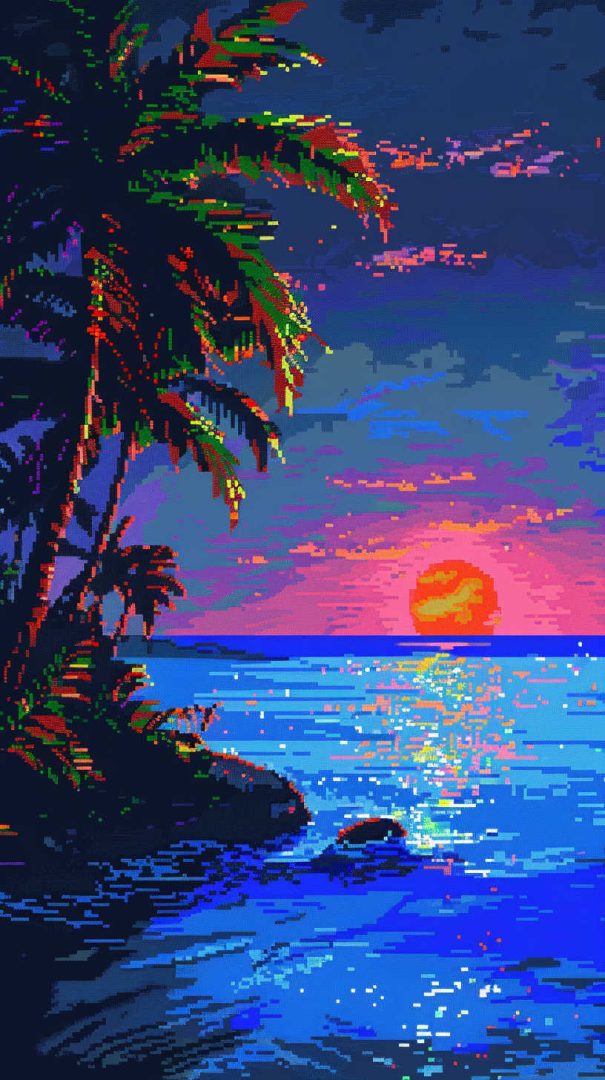
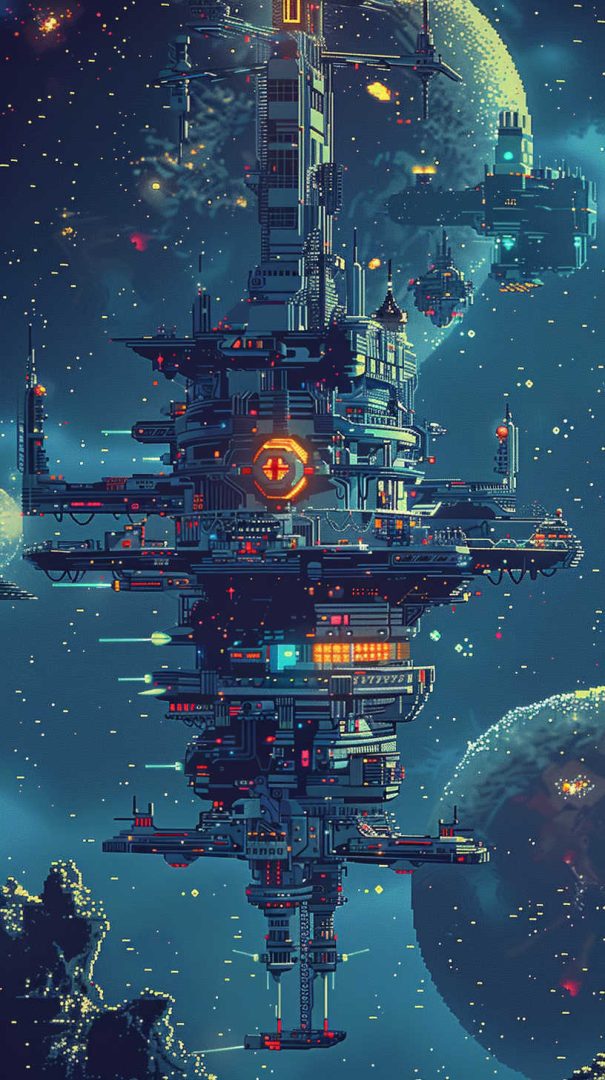
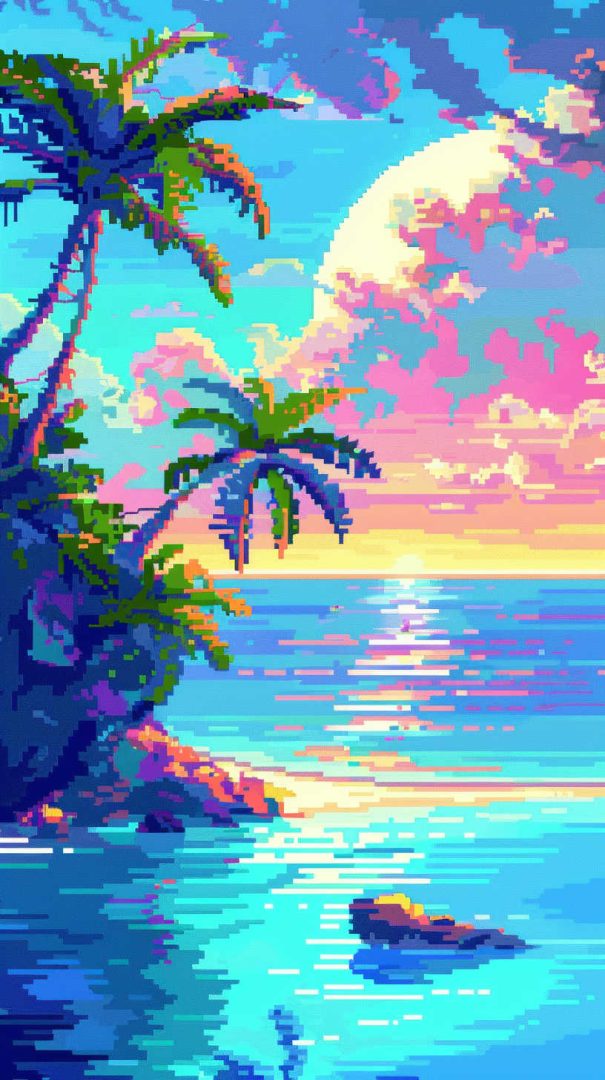
A wallpaper is one of the most personal pieces of digital real estate you own. It’s the first thing you see when you pick up your phone and the backdrop to every notification, message, and photo you take. Unlike a profile picture, which is small and often cropped into a circle, a wallpaper gives pixel art room to breathe. The blocky characters, retro color palettes, and grid-based compositions that define this art style actually look better at full mobile-screen size than they do shrunk down into an avatar.
There’s also a practical angle here. Pixel art is naturally lightweight and renders cleanly on all kinds of displays, from budget Android phones to the latest OLED screens. Because the art relies on solid blocks of color rather than complex gradients or fine detail, it holds up well across different resolutions and aspect ratios — something that can’t always be said for high-resolution photography-based wallpapers.
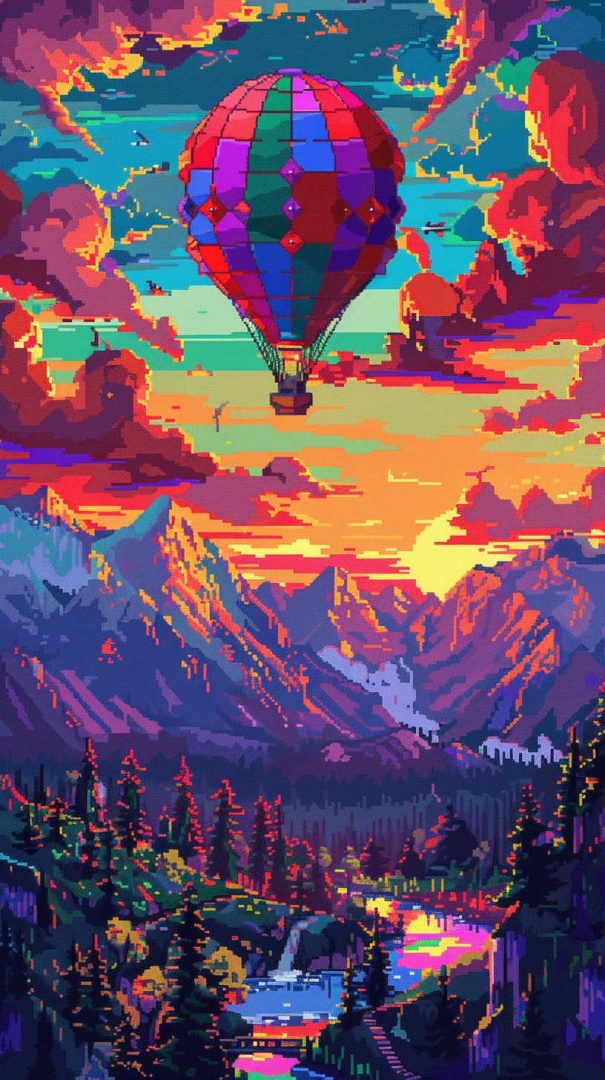
The Cultural Appeal: Nostalgia Meets Ownership Culture
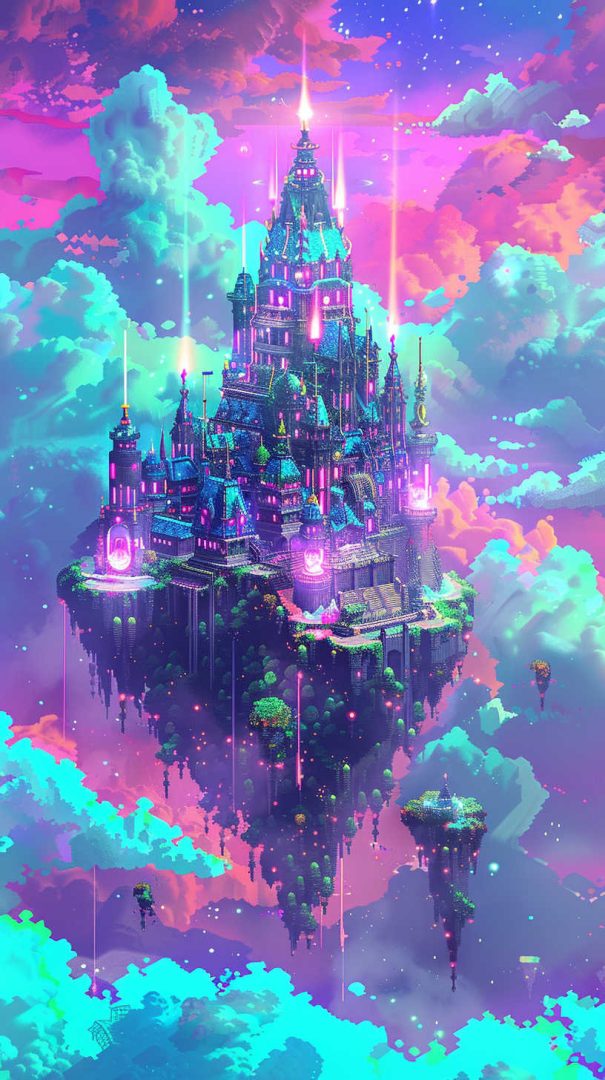
Part of what makes NFT pixel art so compelling is nostalgia. For anyone who grew up with 8-bit or 16-bit video games, pixel art wallpapers feel like a warm callback to a simpler digital era — chunky sprites, limited color palettes, and that unmistakable “retro game” aesthetic. Setting one of these designs as your wallpaper is a small, everyday way of expressing that you appreciate a certain era of digital creativity.
At the same time, the “NFT” label adds a modern layer of meaning. Even when you’re downloading a wallpaper version of a piece for free rather than purchasing the underlying token, there’s an implicit connection to a broader culture of digital ownership and collectibility. People aren’t just decorating their phones; they’re signaling an interest in a specific corner of internet culture — one where art, technology, and community intersect.
What to Look for in a Good NFT Pixel Art Wallpaper
Not all pixel art wallpapers are created equal, and knowing what separates a great one from a mediocre one will help you build a phone screen you’ll actually want to look at every day. Here are the main things worth paying attention to:
- Resolution and aspect ratio: Look for wallpapers designed specifically for mobile screens, not desktop images that have simply been cropped. A wallpaper built for a phone’s tall, narrow aspect ratio will position characters and focal points correctly so nothing important gets hidden behind your clock widget or app icons.
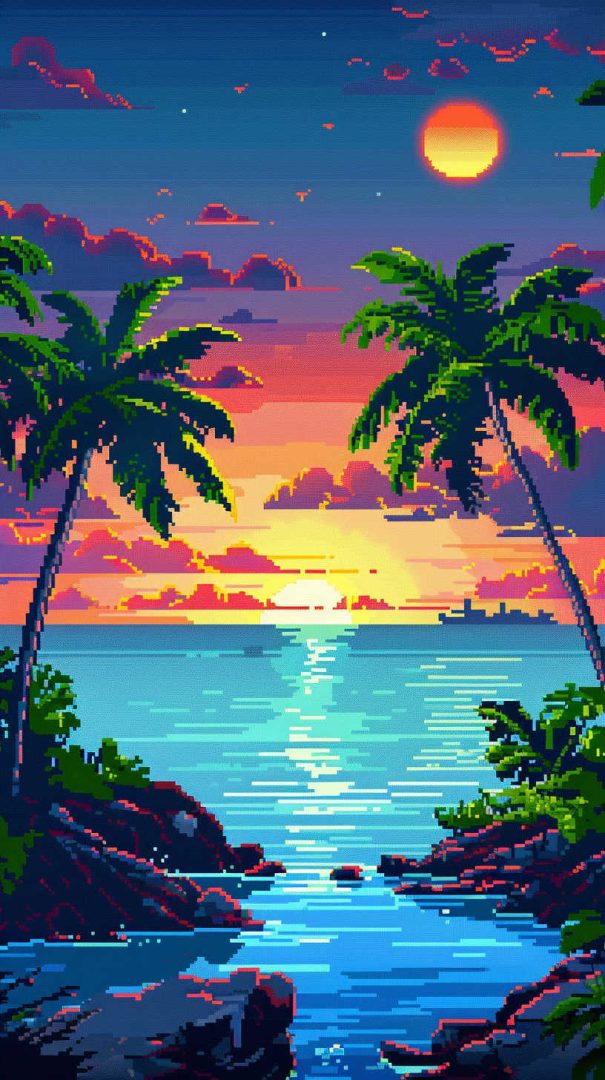
- Color palette consistency: The best pixel art wallpapers stick to a tight, intentional color scheme. Too many colors can make small pixel details look muddy on a phone screen, while a well-chosen palette makes the art pop.
- Composition and negative space: Since your home screen will have icons, widgets, and a clock layered on top, wallpapers with some empty or simple background space near the top and bottom tend to work best. A wallpaper that’s busy edge-to-edge can end up clashing with your app layout.
- Theme and character design: Whether it’s a lone pixel astronaut, a retro-styled creature, or an abstract geometric pattern, the strongest designs have a clear focal point rather than a cluttered scene.
- File quality: A crisp, well-exported PNG or JPEG will preserve the clean edges that make pixel art distinctive. Blurry or over-compressed files can ruin the sharp-block look that defines the style.
How to Set Up Your Wallpaper the Right Way
Getting a pixel art wallpaper to look its best on your phone isn’t just about picking a nice image — a few small setup choices make a real difference:
- Match the wallpaper to your screen resolution. Most modern phones use tall aspect ratios like 9:19.5 or 9:20. Choosing a wallpaper that’s been sized for these ratios prevents awkward cropping or stretching.
- Turn off unnecessary zoom or parallax effects. Some phones apply a subtle zoom or parallax motion to wallpapers by default. Pixel art can lose its crispness when it’s stretched or shifted, so it’s often worth disabling these effects specifically for pixel-style wallpapers.
- Consider your icon layout. If your home screen has a lot of app icons, pick a wallpaper where the busiest part of the design sits in the middle of the screen, away from where icons will overlap it.
- Use “Don’t Blur” or “No Perspective” settings if available. Many phones offer an option to disable the blur effect applied to lock screens. Keeping this off is especially important for pixel art, where sharp edges are the whole point.
- Check both lock screen and home screen previews before finalizing. A wallpaper might look great on one screen and slightly off on the other, especially once your clock, date, and notification widgets are layered on top.
Building a Personal Pixel Art Collection
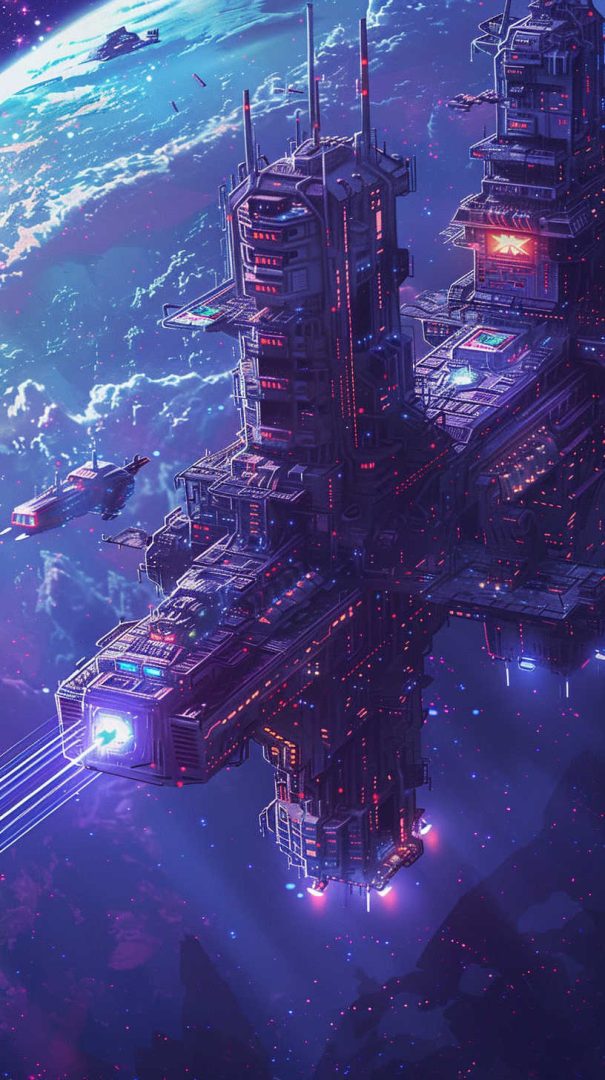
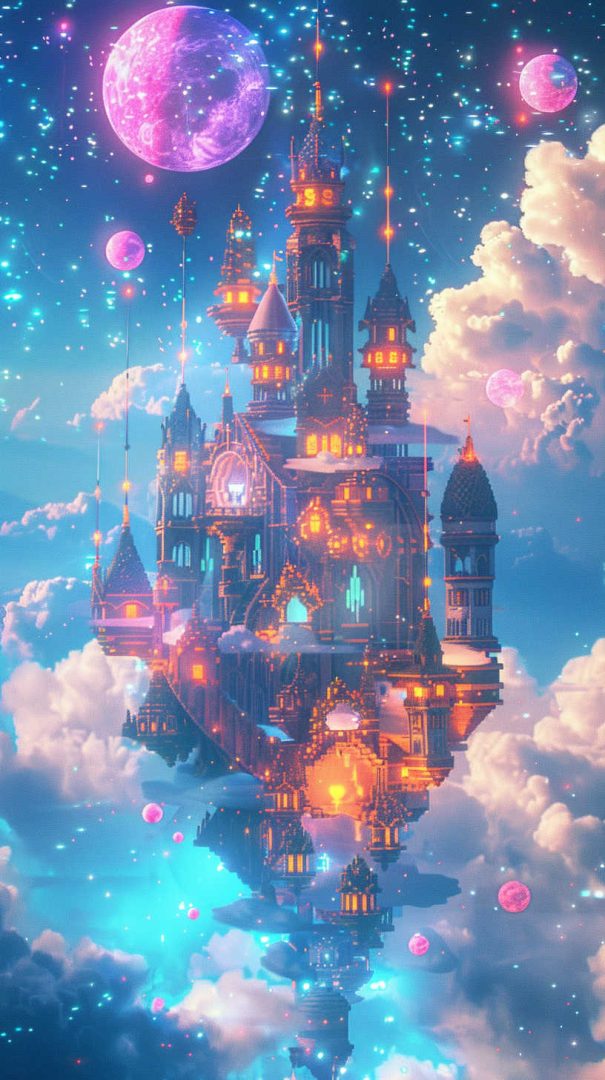
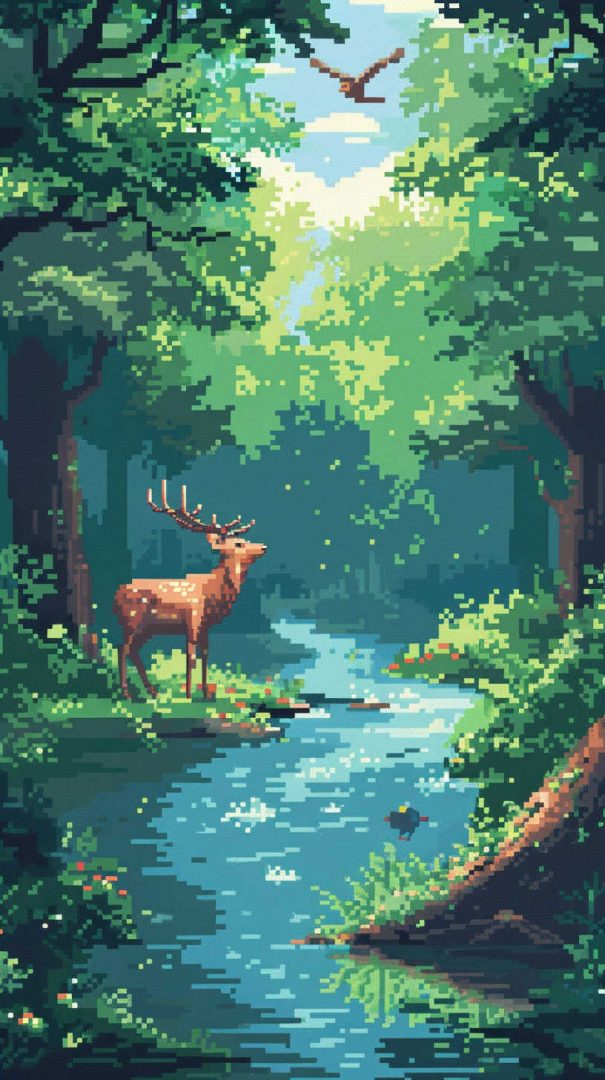
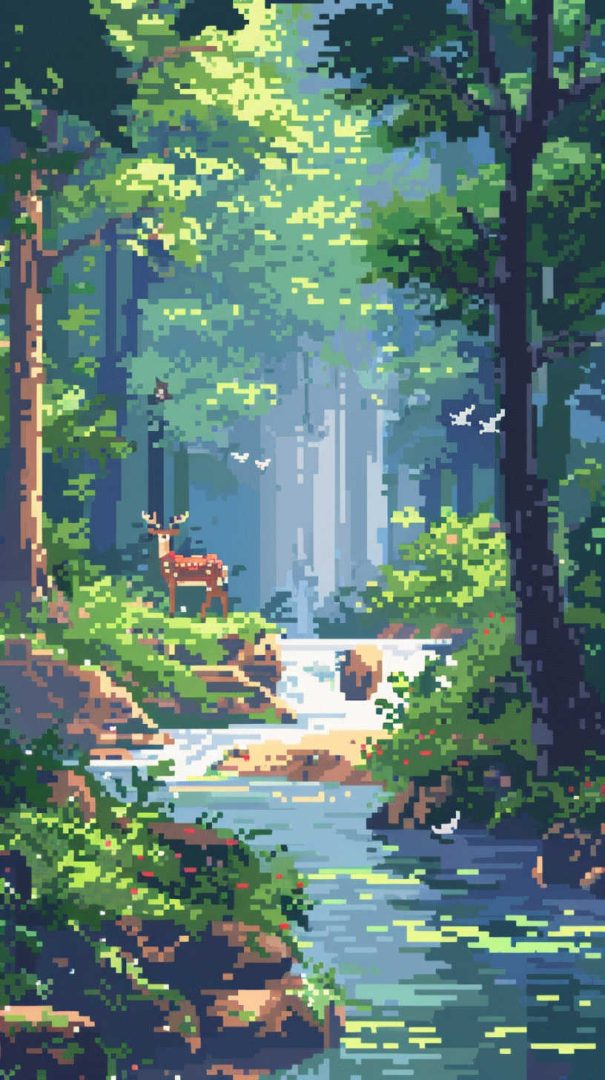
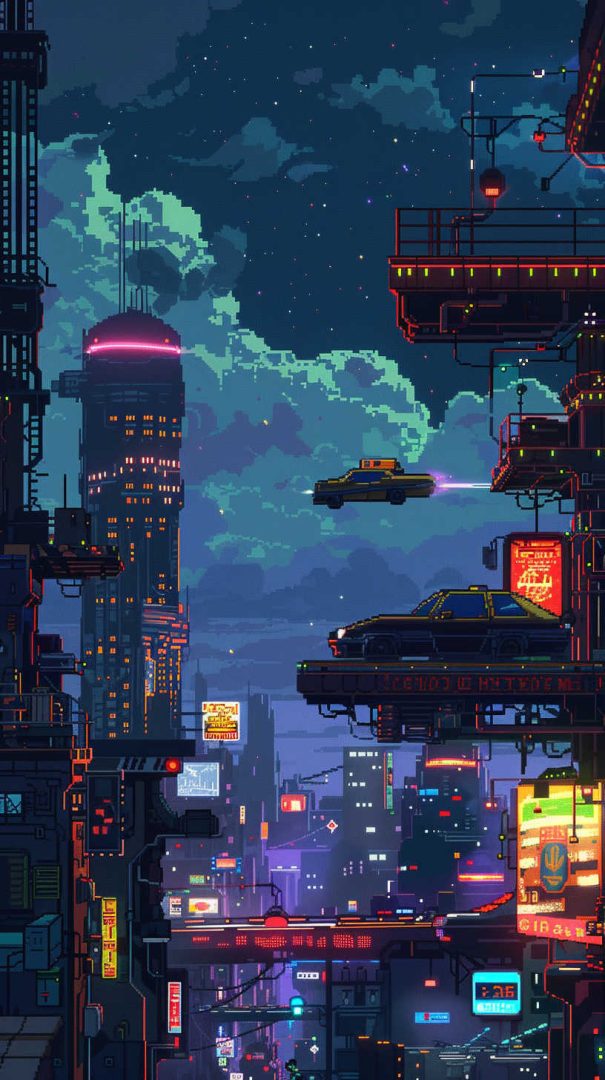
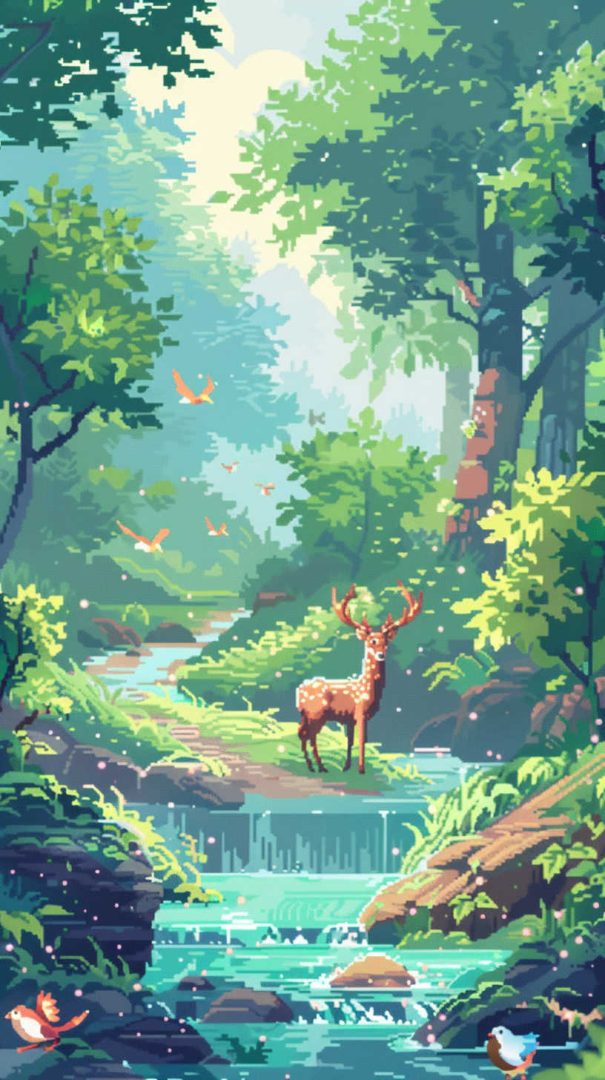
One of the fun parts of this trend is that it doesn’t have to stop at a single wallpaper. Many people build small rotating collections — swapping between a handful of favorite pixel art designs depending on their mood, the season, or even matching their wallpaper to an app icon theme they’re using that week. Because pixel art files tend to be small and lightweight, keeping a folder of ten or twenty favorites on your phone costs very little storage space while giving you plenty of variety.
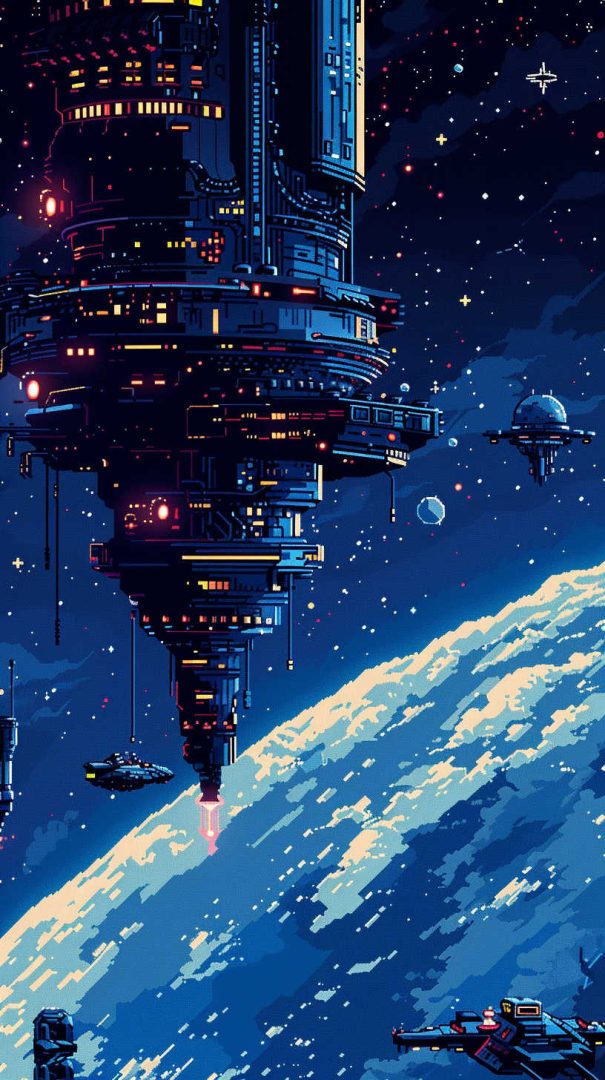
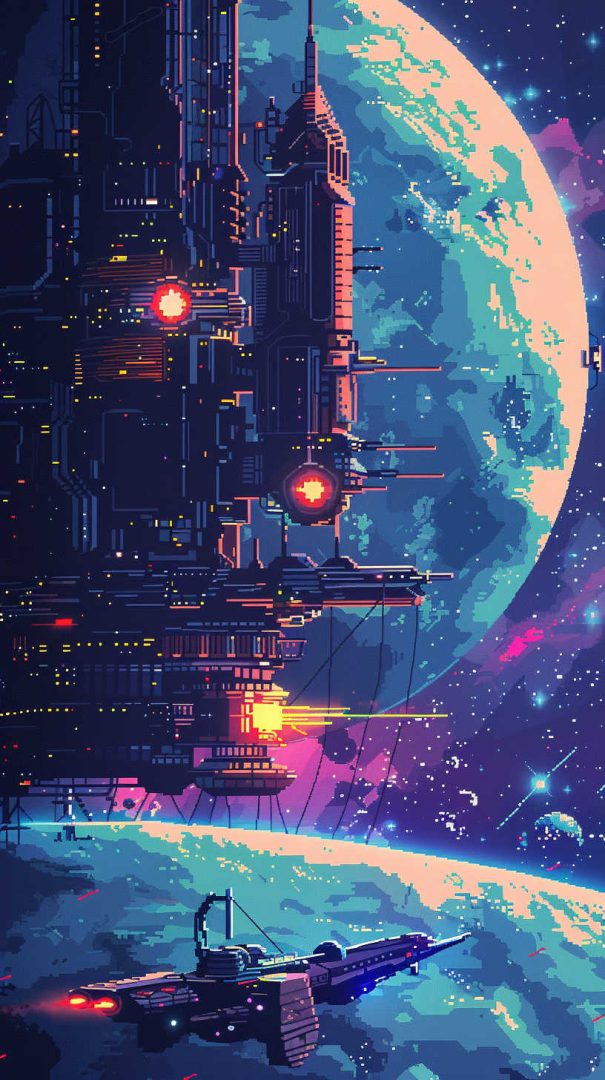
If you’re just getting started, a good approach is to pick a general theme you’re drawn to — space and sci-fi, fantasy creatures, retro gaming characters, or abstract geometric patterns — and build outward from there. Having a loose theme makes your collection feel curated rather than random, and it’s a small creative outlet in itself.
Final Thoughts
NFT pixel art wallpapers sit at a genuinely interesting crossroads: retro visual style, modern digital culture, and the simple daily habit of personalizing the device you look at more than almost anything else. Whether you’re drawn to the nostalgia of blocky 8-bit design, the broader culture around digital collectibles, or simply want a phone background that looks different from everyone else’s, this art style offers something distinctive.
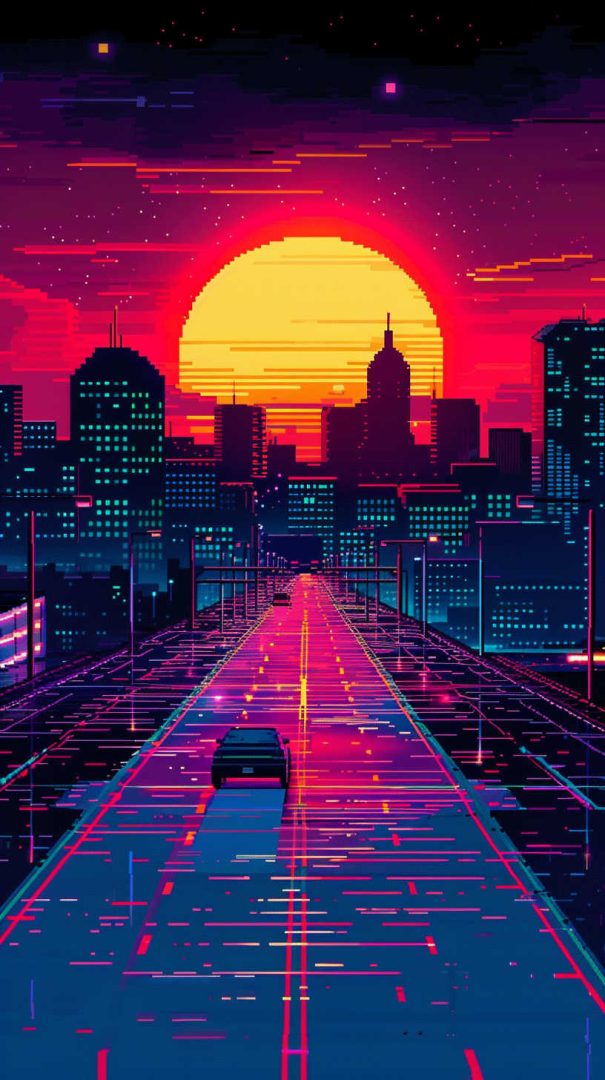
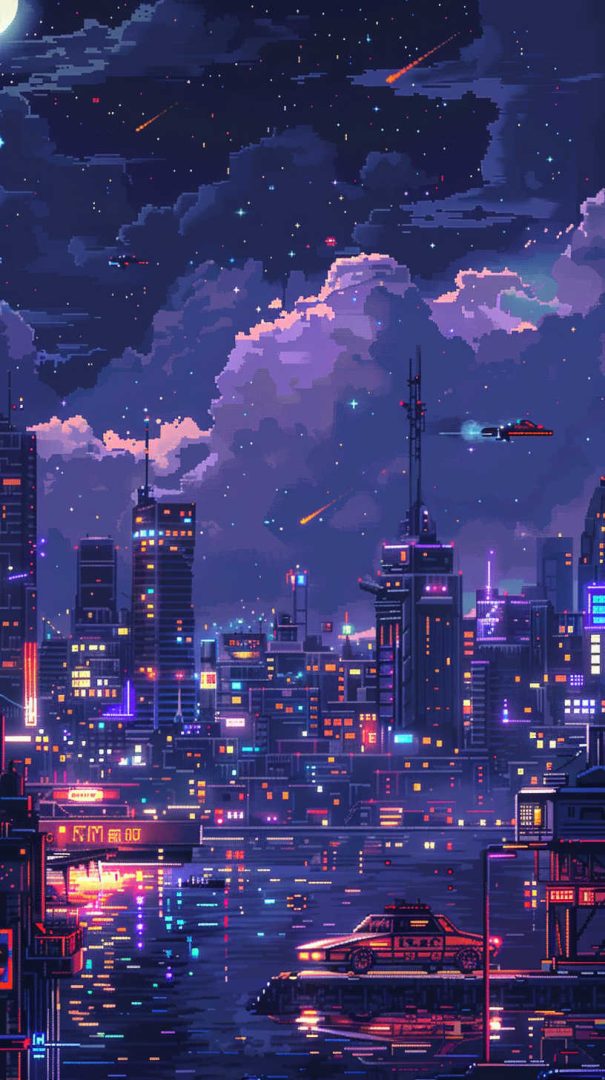
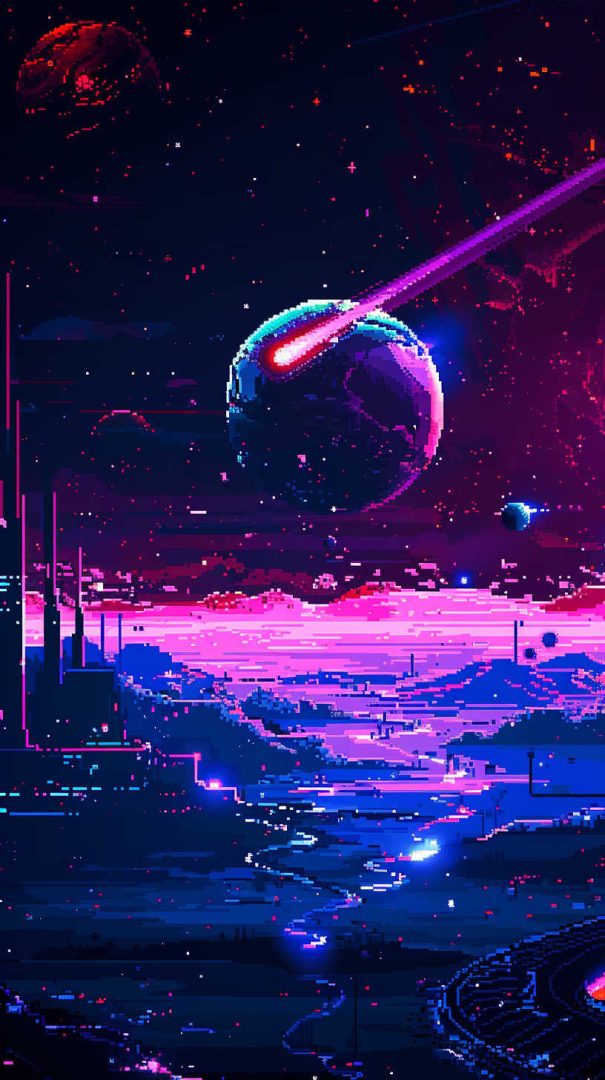
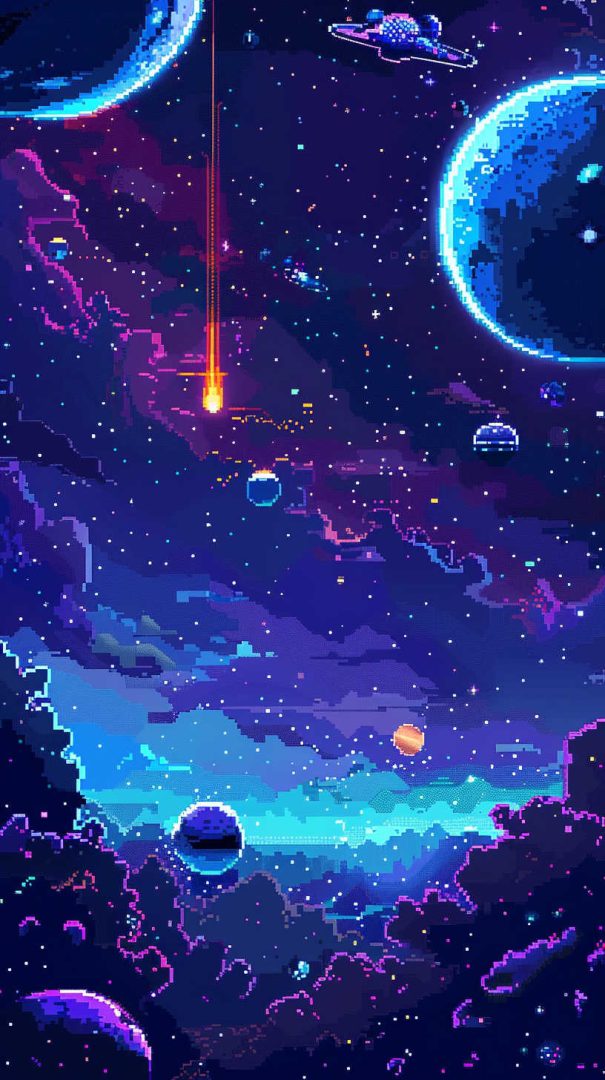
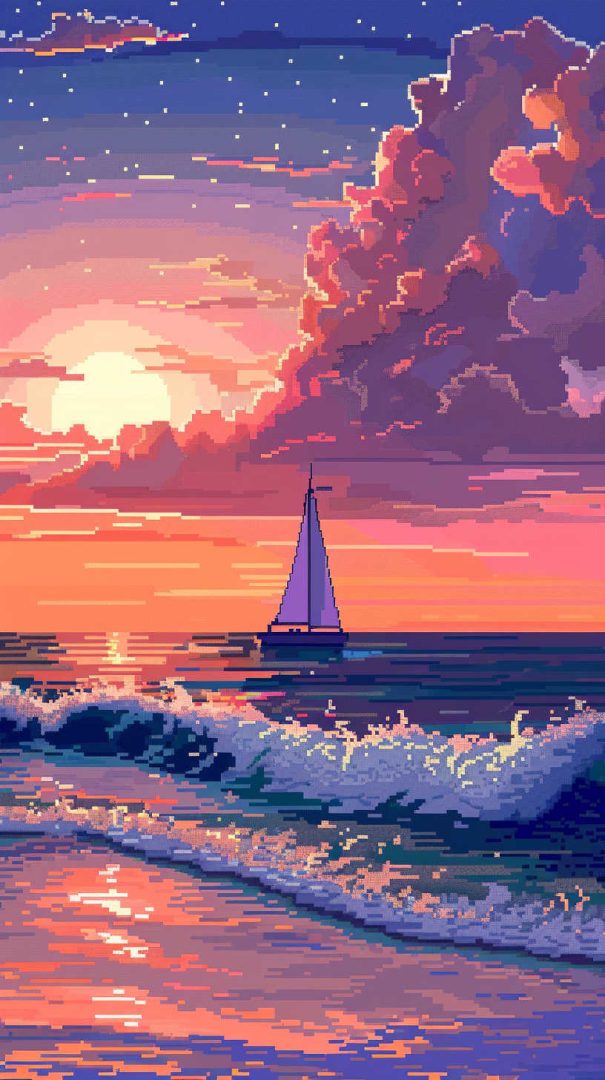
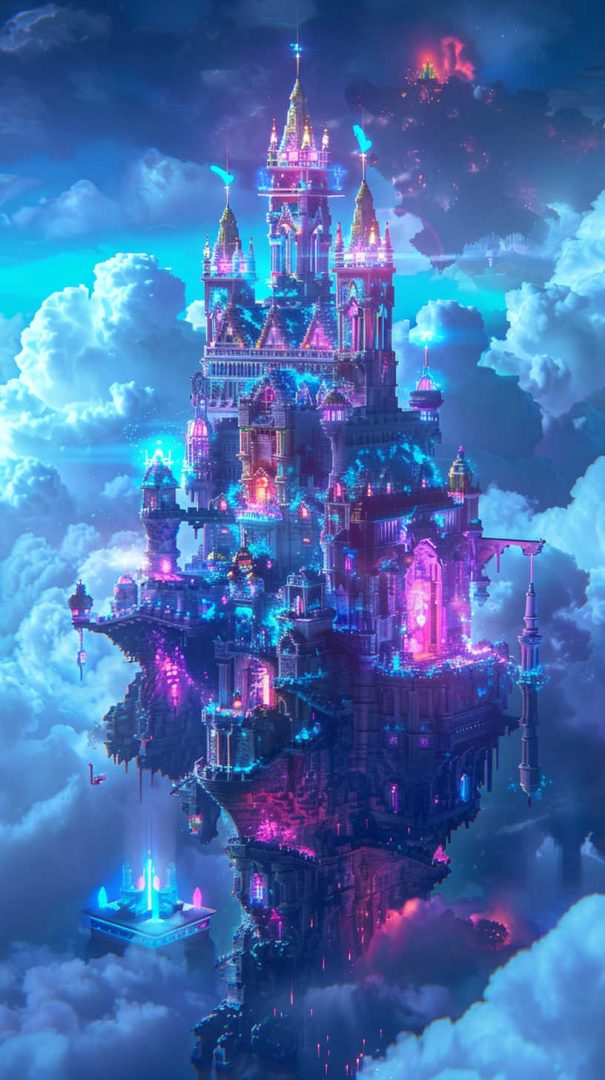
Pay attention to resolution, color palette, and composition when choosing your wallpaper, take a minute to set it up properly on your device, and you’ll end up with a home screen that actually feels like yours.
Please share this NFT Pixel Art Wallpapers for Mobile Phones | Free Downloadr with your friends and do a comment below about your feedback.
We will meet you on next article.
Until you can read, Free Nature Phone Wallpapers | HD 4K Backgrounds